Did you know that idling vehicles can waste up to a gallon of fuel every hour? For a company with many trucks, this small habit drains thousands of dollars from the bottom line each year. In the United States, logistics teams face rising fuel prices and tight delivery windows every day.
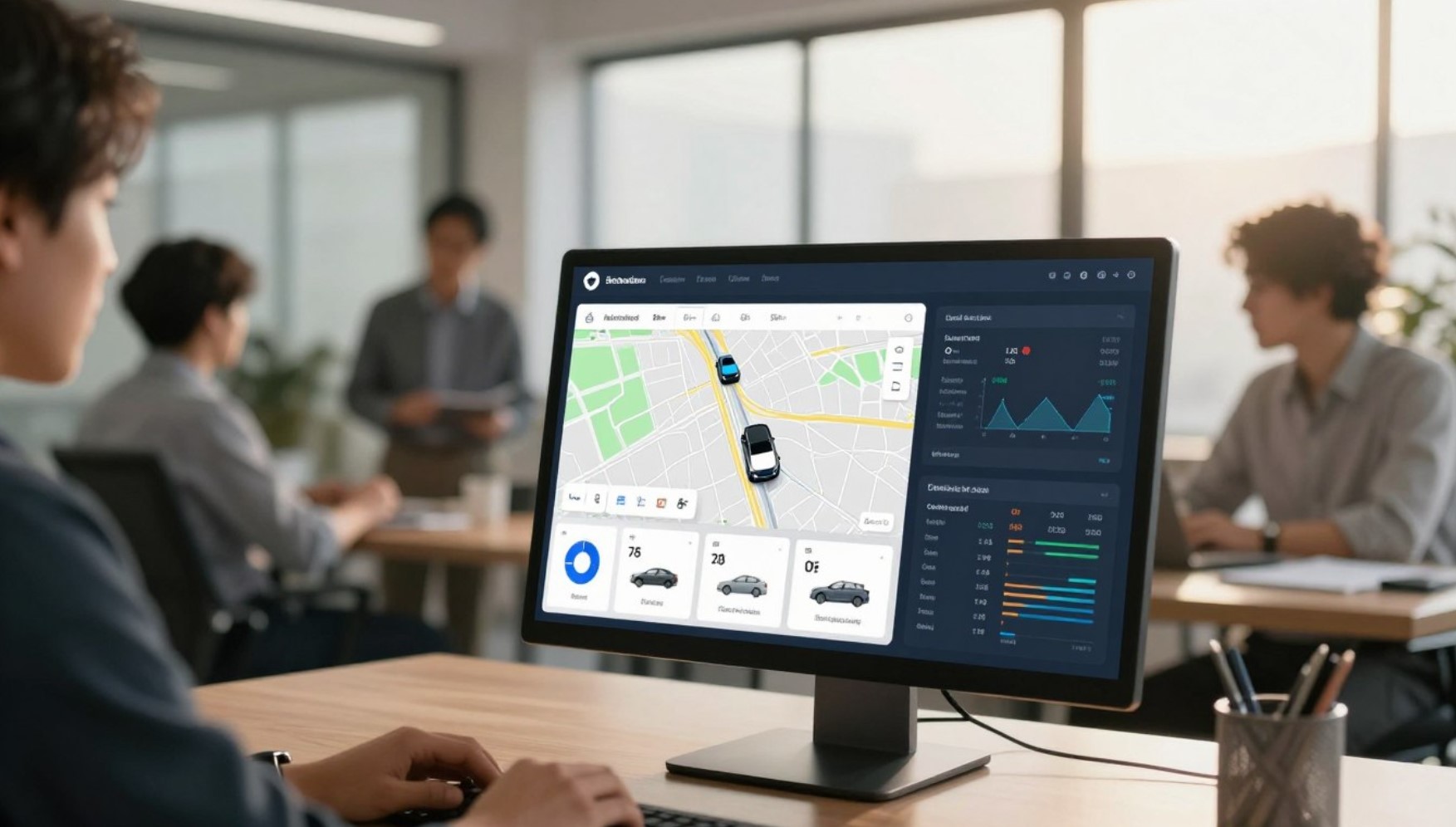
Modern businesses are turning to smart tools to stop these hidden costs. These digital systems allow owners to track routes and monitor driver performance in real-time. This technology provides insights that were once hard to gather manually.
You can see idle times, speed patterns, and even engine health with just a few clicks. Using robust digital tracking programs helps you organize maintenance and reduce overall expenses. It is no longer just about knowing where drivers are located.
It is about creating a safer, more efficient work space for everyone. These platforms turn complex data into easy steps for better output. They help you stay competitive in a fast-paced market. Managing a mobile team is easier when you have the right data at your fingertips.
Key Takeaways
- Lower fuel usage effectively by reducing idle times and optimizing routes.
- Boost driver safety ratings with real-time behavior monitoring and alerts.
- Track assets in real-time to provide accurate arrival times to customers.
- Streamline maintenance tasks with automated engine health reports and reminders.
- Enhance routing efficiency to save time and reduce wear on your vehicles.
- Increase overall output by turning complex data into actionable business steps.
1. What Is GPS Fleet Software and Why It Matters for Your Business

The modern fleet management landscape has evolved significantly with the advent of GPS fleet software. This technology has transformed the way businesses manage their vehicles, drivers, and overall operations. In this section, we will delve into the basics of GPS fleet software, its evolution, and its importance for modern fleets.
Understanding Fleet Management Software
Fleet management software is a comprehensive tool designed to help businesses manage their fleet operations more efficiently. It encompasses a range of functionalities, including vehicle tracking, driver management, and maintenance scheduling. By leveraging fleet tracking solutions, companies can gain real-time insights into their fleet’s performance and make data-driven decisions.
The Evolution from Paper Logs to Digital Solutions
Traditionally, fleet management relied heavily on paper logs and manual record-keeping. However, this approach was not only time-consuming but also prone to errors. The introduction of digital solutions, particularly GPS tracking software, has revolutionized fleet management. It has enabled businesses to automate many processes, improve accuracy, and reduce administrative burdens.
The shift to digital solutions has also facilitated better compliance with regulatory requirements. For instance, electronic logging devices (ELDs) have become mandatory in many jurisdictions, and GPS fleet software often includes ELD functionality, making it easier for fleets to comply with these regulations.
Why Modern Fleets Need GPS Tracking Technology
In today’s competitive landscape, GPS tracking technology is no longer a luxury but a necessity for modern fleets. It provides real-time visibility into vehicle locations, allowing for more efficient routing, reduced fuel consumption, and improved customer service. Moreover, GPS tracking software helps in enhancing driver safety and accountability by monitoring driver behavior and vehicle performance.
By adopting GPS fleet software, businesses can significantly improve their operational efficiency, reduce costs, and gain a competitive edge in their respective markets.
2. Key Benefits of Implementing a Vehicle Tracking System

Implementing a vehicle tracking system can be a game-changer for businesses looking to optimize their fleet operations. By leveraging GPS technology and advanced software, companies can gain valuable insights into their fleet’s performance, leading to numerous benefits.
Reduced Fuel Costs and Operational Expenses
One of the primary advantages of a vehicle tracking system is the potential for significant cost savings. By monitoring vehicle activity in real-time, businesses can identify areas of inefficiency and implement corrective measures.
Eliminating Unauthorized Vehicle Use
A vehicle tracking system helps prevent unauthorized use of company vehicles, reducing the risk of theft and misuse. This not only saves fuel and lowers operational costs but also minimizes the potential for accidents caused by untrained or unauthorized drivers.
Reducing Idle Time and Inefficient Routes
By analyzing data from the vehicle tracking system, fleet managers can identify instances of excessive idling and optimize routes to reduce fuel consumption. This leads to lower fuel costs and decreased wear on vehicles, resulting in lower maintenance expenses.
Enhanced Driver Safety and Accountability
A vehicle tracking system promotes a culture of safety and accountability among drivers. By monitoring driving behaviors, businesses can encourage safer driving practices and reduce the risk of accidents.
Monitoring Speeding and Harsh Driving Behaviors
The system allows fleet managers to track speeding and harsh driving behaviors such as hard braking or acceleration. By addressing these behaviors, companies can reduce the likelihood of accidents and improve overall road safety.
Reducing Accident Rates and Insurance Costs
By promoting safe driving practices and quickly responding to incidents, businesses can reduce accident rates. This, in turn, can lead to lower insurance premiums and reduced costs associated with vehicle repairs and downtime.
Improved Customer Service and Delivery Times
A vehicle tracking system enables businesses to provide more accurate ETAs and updates to customers, enhancing the overall customer experience.
Accurate ETAs and Delivery Windows
With real-time tracking, companies can offer precise ETAs, improving customer satisfaction and building trust. This level of transparency is particularly valuable in industries where timely delivery is critical.
Better Asset Utilization and Vehicle Maintenance
Effective fleet management involves maximizing the use of assets and maintaining vehicles in good condition. A vehicle tracking system supports these goals by providing insights into vehicle usage and maintenance needs.
Extending Vehicle Lifespan Through Preventive Care
By monitoring vehicle health and scheduling regular maintenance, businesses can extend the lifespan of their vehicles. This proactive approach helps prevent breakdowns, reduces repair costs, and ensures that vehicles remain operational for longer periods.
3. Essential Features of GPS Fleet Management Solutions
The right GPS fleet management solution can transform the way businesses manage their fleets, improving productivity and reducing costs. By leveraging advanced technologies, these solutions provide a comprehensive suite of tools designed to optimize fleet operations.
Real-Time Fleet Monitoring Capabilities
Real-time fleet monitoring is a cornerstone of effective GPS fleet management. It enables businesses to track their vehicles’ locations, statuses, and movements in real-time, allowing for more informed decision-making.
Live Vehicle Location Tracking
Live vehicle location tracking provides up-to-the-minute information on vehicle locations, enabling fleet managers to respond quickly to changing circumstances. This feature is crucial for improving delivery times and enhancing customer satisfaction.
Geofencing and Zone Alerts
Geofencing and zone alerts allow fleet managers to set virtual boundaries around specific areas. When a vehicle enters or exits these areas, the system triggers alerts, helping to prevent unauthorized detours or ensure timely arrivals at designated locations.
Route Optimization and Planning Tools
Route optimization is critical for reducing fuel consumption and lowering emissions. GPS fleet management solutions offer advanced route planning tools that help fleet managers create the most efficient routes for their drivers.
Automated Route Calculation
Automated route calculation takes into account various factors such as traffic patterns, road conditions, and time windows to determine the optimal route. This feature helps reduce driving time and improves overall fleet productivity.
Multi-Stop Planning and Sequencing
For fleets with multiple stops, multi-stop planning and sequencing enable managers to plan routes that minimize unnecessary mileage and reduce fuel consumption. This feature is particularly useful for delivery and logistics companies.
Driver Behavior Analysis and Reporting
Understanding driver behavior is essential for improving safety and reducing operational costs. GPS fleet management solutions provide detailed insights into driver behavior, enabling fleet managers to identify areas for improvement.
Scorecards and Performance Metrics
Scorecards and performance metrics offer a clear overview of driver performance, highlighting strengths and weaknesses. This information can be used to provide targeted feedback and coaching to drivers.
Maintenance Scheduling and Alerts
Regular maintenance is vital for extending the lifespan of fleet vehicles. GPS fleet management solutions help fleet managers stay on top of maintenance needs through automated scheduling and alerts.
Automated Service Reminders
Automated service reminders ensure that vehicles receive timely maintenance, reducing the risk of breakdowns and associated repair costs.
Diagnostic Trouble Code Integration
Diagnostic trouble code integration allows fleet managers to receive alerts when a vehicle’s onboard diagnostics system detects a potential issue. This feature enables proactive maintenance and helps prevent unexpected downtime.
4. How Fleet Telematics Platforms Transform Daily Operations
By leveraging fleet telematics platforms, companies can streamline their daily operations, improving both productivity and customer satisfaction. These platforms offer a range of tools and features designed to optimize fleet management.
Dispatch Optimization and Job Assignment
One of the key benefits of fleet telematics platforms is their ability to optimize dispatch and job assignment processes. This is achieved through advanced algorithms that consider various factors such as vehicle location, job requirements, and traffic conditions.
Matching the Closest Available Vehicle to Jobs
Efficient job assignment is crucial for minimizing response times and maximizing the productivity of fleet vehicles. By using real-time data, fleet telematics platforms can match the closest available vehicle to a job, reducing travel time and increasing overall efficiency.
Dynamic Rescheduling Based on Real-Time Conditions
Fleet telematics platforms also enable dynamic rescheduling based on real-time conditions such as traffic congestion, weather, and road closures. This ensures that fleet operations remain flexible and responsive to changing circumstances.
| Feature | Benefit | Impact |
|---|---|---|
| Real-Time Vehicle Tracking | Improved Job Assignment | Increased Productivity |
| Dynamic Rescheduling | Adaptability to Changing Conditions | Enhanced Customer Satisfaction |
| Automated Reporting | Reduced Administrative Burden | Improved Compliance |
Automated Reporting and Compliance Management
Fleet telematics platforms simplify compliance management through automated reporting features. This includes electronic logging device (ELD) compliance and hours of service tracking, which are critical for regulatory adherence.
Electronic Logging Device Compliance
ELD compliance is a significant challenge for many fleets. Fleet telematics platforms provide automated ELD solutions that reduce the administrative burden and minimize the risk of non-compliance.
Hours of Service Tracking
Accurate tracking of hours of service is essential for avoiding costly fines and penalties. Fleet telematics platforms offer real-time hours of service tracking, ensuring that drivers remain compliant with regulatory requirements.
Mobile Integration for Drivers and Field Teams
Mobile integration is a key feature of modern fleet telematics platforms, enabling drivers and field teams to access critical information on the go. This enhances communication, improves job execution, and increases overall efficiency.
By integrating these advanced features, fleet telematics platforms transform daily operations, making them more efficient, productive, and compliant with regulatory requirements.
5. Choosing the Right GPS Fleet Software for Your Organization
With numerous GPS fleet software options available, choosing the right one for your organization requires careful consideration of several key factors. The process involves assessing your fleet size, understanding your specific industry needs, and evaluating the scalability and integration capabilities of the software.
Assessing Your Fleet Size and Requirements
Understanding the size of your fleet and its specific requirements is the first step in selecting the appropriate GPS fleet software. Different fleet sizes have different needs.
Small Fleet Needs Versus Enterprise Solutions
Small fleets may require simpler, more straightforward solutions that are cost-effective and easy to implement. In contrast, larger enterprises often need more complex systems that can handle a greater number of vehicles and more intricate operational demands.
Industry-Specific Requirements
Different industries have unique requirements. For instance, construction fleets may need to track heavy equipment, while delivery fleets may prioritize route optimization.
| Industry | Specific Needs | Key Features to Look for in GPS Fleet Software |
|---|---|---|
| Construction | Tracking heavy equipment, monitoring off-road vehicles | Durable hardware, GPS tracking, maintenance alerts |
| Delivery | Route optimization, timely deliveries | Route planning, real-time tracking, customer notification integration |
| Transportation | Driver behavior monitoring, compliance with regulations | Driver scorecards, automated logging, compliance reporting |
Scalability and Integration Capabilities
A scalable GPS fleet software solution is crucial for growing businesses. It should be able to adapt to an increasing number of vehicles and evolving operational needs.
API Access and Third-Party Integrations
The ability to integrate with other business systems through API access is vital. This allows for a more streamlined operation and better data analysis.
Growing with Your Business
As your business expands, your GPS fleet software should be able to grow with it, offering additional features and support for more vehicles.
User Interface and Ease of Adoption
The user interface of the GPS fleet software plays a significant role in its adoption and daily use. An intuitive and customizable dashboard can greatly enhance user experience.
Dashboard Customization Options
Being able to customize the dashboard to display key performance indicators (KPIs) relevant to your operation can improve decision-making.
Support and Training Resources
Adequate support and training are essential for the successful implementation of GPS fleet software.
Implementation Assistance
Professional assistance during the implementation phase can ensure a smooth transition to the new system.
Ongoing Technical Support
Ongoing technical support is crucial for addressing any issues that may arise and ensuring the continued effectiveness of the GPS fleet software.
6. Industry-Specific Applications of Fleet Tracking Solutions
The versatility of fleet tracking solutions is evident in their widespread adoption across different sectors, each benefiting in unique ways. Various industries are leveraging these solutions to enhance their operational efficiency, reduce costs, and improve customer satisfaction.
Construction and Heavy Equipment Fleets
Construction companies with heavy equipment fleets benefit significantly from fleet tracking solutions. These systems help in monitoring the location and usage of expensive equipment, reducing theft and misuse. They also enable better project management by tracking the movement and utilization of equipment on job sites.
Key Benefits:
- Improved equipment utilization
- Reduced theft and unauthorized use
- Enhanced project management capabilities
Delivery and Logistics Companies
For delivery and logistics companies, fleet tracking solutions are crucial for maintaining timely deliveries and improving customer service. These solutions enable real-time tracking of vehicles, route optimization, and automated delivery updates.
Key Features:
- Real-time vehicle tracking
- Route optimization
- Automated delivery notifications
Service and Maintenance Businesses
Service and maintenance businesses, such as HVAC, plumbing, and electrical services, use fleet tracking solutions to dispatch the nearest technician to a job, reducing response times and improving customer satisfaction.
Benefits:
- Faster response times
- Improved customer satisfaction
- Optimized dispatch operations
Transportation and Trucking Operations
The transportation and trucking industry relies heavily on fleet tracking solutions for managing large fleets over long distances. These solutions help in monitoring driver behavior, managing fuel consumption, and ensuring compliance with regulations.
| Industry | Primary Benefits | Key Features Utilized |
|---|---|---|
| Construction | Equipment utilization, theft reduction | Location tracking, usage monitoring |
| Delivery and Logistics | Timely deliveries, customer service | Real-time tracking, route optimization |
| Service and Maintenance | Faster response times, customer satisfaction | Dispatch optimization, technician tracking |
| Transportation and Trucking | Driver behavior, fuel management, compliance | Driver monitoring, fuel tracking, regulatory compliance |
7. Understanding the Costs and ROI of GPS Tracking Software
GPS tracking software can transform fleet management, but it’s crucial to understand the associated costs and benefits. As businesses consider implementing this technology, they must weigh the initial investment and ongoing expenses against the potential return on investment.
Initial Investment and Ongoing Expenses
The initial cost of implementing GPS tracking software includes several key components. Understanding these expenses is vital for making an informed decision.
Hardware Costs and Installation
The hardware required for GPS tracking typically includes GPS devices installed in vehicles and potentially additional sensors or equipment. The cost of these devices can vary based on the complexity of the system and the number of vehicles being tracked.
- GPS tracking devices
- Installation fees
- Additional hardware for advanced features
Subscription and Licensing Fees
Ongoing expenses primarily consist of subscription or licensing fees for the GPS tracking software. These fees can be monthly or annual and are often based on the number of vehicles being tracked or the level of service required.
Key factors influencing subscription costs include:
- Number of vehicles
- Level of service (basic, premium, enterprise)
- Additional features or support
Calculating Your Return on Investment
To justify the investment in GPS tracking software, businesses must calculate their return on investment (ROI). This involves identifying areas where the technology can generate cost savings or efficiency gains.
Fuel Savings and Efficiency Gains
One of the primary ways GPS tracking software provides ROI is through fuel savings. By optimizing routes and reducing idling time, fleets can significantly lower their fuel consumption.
For example: A study found that GPS tracking can lead to fuel savings of up to 20% by optimizing routes and improving driver behavior.
Insurance Premium Reductions
Many insurance providers offer discounts to fleets that implement GPS tracking technology, as it reduces the risk of accidents and theft.
Potential insurance savings can be substantial, often ranging from 5% to 15% off premiums.
Hidden Savings and Long-Term Value
Beyond the direct cost savings, GPS tracking software offers several hidden benefits that contribute to its long-term value.
Reduced Administrative Burden
Automating tasks such as log tracking and maintenance scheduling can significantly reduce the administrative workload, allowing staff to focus on more strategic tasks.
Lower Maintenance and Repair Costs
By monitoring vehicle health and driver behavior, GPS tracking software can help prevent unnecessary wear and tear on vehicles, leading to lower maintenance and repair costs over time.
In conclusion, while the initial investment in GPS tracking software may seem significant, the potential return on investment through cost savings, efficiency gains, and long-term value makes it a compelling solution for modern fleet management.
8. Overcoming Common Implementation Challenges
As you consider integrating GPS fleet software, understanding the potential implementation challenges is crucial. Implementing a new system can be complex, but being aware of the common hurdles can help you prepare and overcome them.
Driver Resistance and Change Management
Driver resistance is a common issue when introducing new technology. Drivers may feel that GPS tracking invades their privacy or that it’s a sign of mistrust. To mitigate this, it’s essential to communicate the benefits clearly.
Communicating Benefits to Your Team
Explain how GPS fleet software can make their jobs easier, improve safety, and reduce unnecessary tasks. For instance, route optimization can lead to less time on the road and more time at home.
Key benefits to highlight include:
- Improved safety through better driving habits monitoring
- Reduced paperwork and administrative tasks
- Enhanced customer service through more accurate ETAs
Creating a Culture of Transparency
Involving drivers in the implementation process and keeping them informed can foster a culture of transparency. This can include regular updates on how the data is used and the benefits it brings to the fleet’s operations.
Data Integration with Existing Systems
Data integration is another significant challenge. The new GPS fleet software needs to work seamlessly with existing systems, such as accounting and ERP software.
Connecting to Accounting and ERP Software
Ensure that the GPS fleet software you choose can integrate with your current systems. This might involve working with your IT department or the software provider to set up the necessary connections.
Privacy Concerns and Policy Development
Privacy is a sensitive topic, and it’s crucial to address it proactively. Developing clear policies on data use and monitoring can help alleviate concerns.
Establishing Clear Usage Policies
Define how the data collected will be used, who has access to it, and how it will be protected. This transparency is key to building trust among drivers and other stakeholders.
Balancing Monitoring with Trust
It’s a delicate balance between monitoring drivers for safety and performance, and respecting their privacy. Regular communication and feedback can help maintain this balance.
9. Taking the Next Step Toward Fleet Optimization
Optimizing your fleet operations with a fleet optimization tool can significantly enhance your business’s efficiency and bottom line. By understanding the benefits and features of GPS fleet software, you can make informed decisions to streamline your fleet management.
As discussed, implementing a robust GPS tracking system can lead to reduced operational costs, improved driver safety, and enhanced customer satisfaction. With the right fleet optimization tool, you can monitor your fleet in real-time, optimize routes, and analyze driver behavior.
To further explore how GPS fleet software can transform your business, consider evaluating your current fleet management practices and identifying areas for improvement. By doing so, you can unlock the full potential of your fleet and drive business growth.