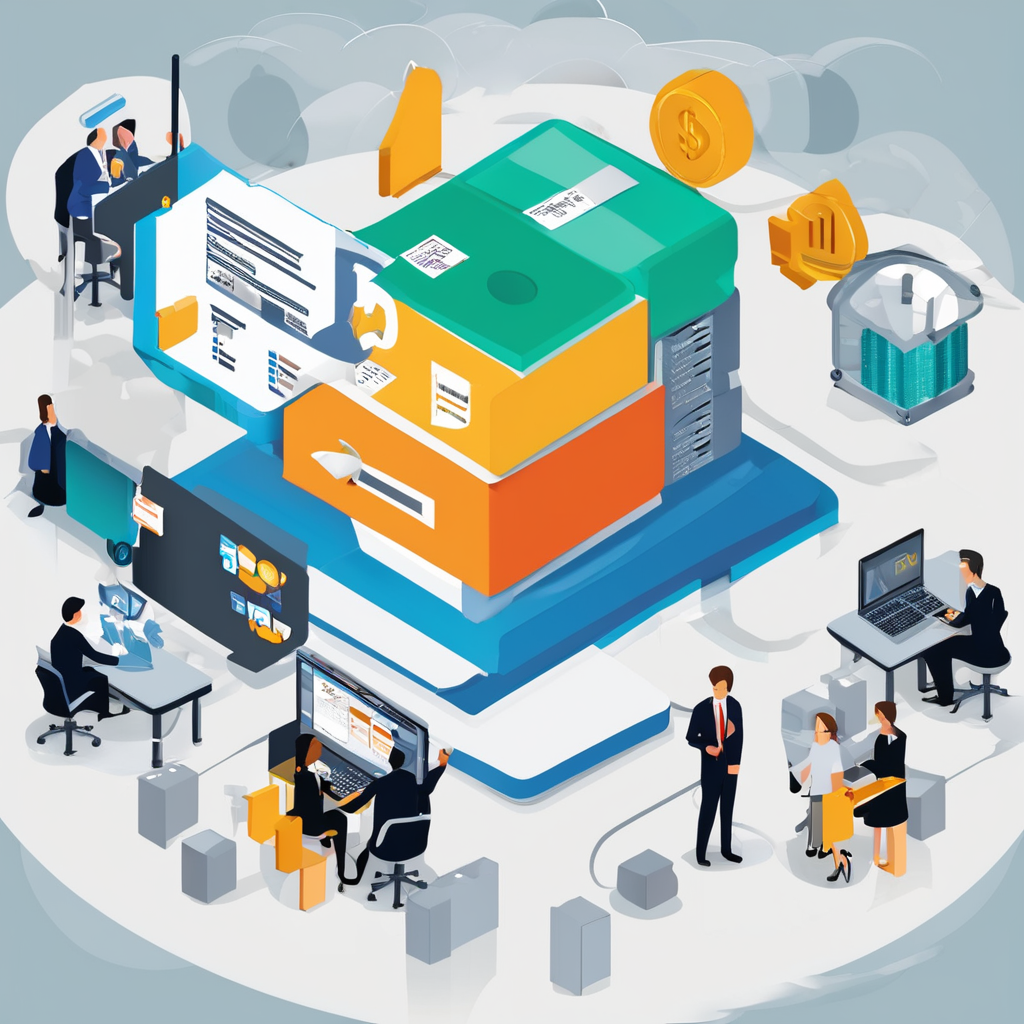
Enterprise Resource Planning (ERP) software is a powerful tool that integrates various business functions and processes into a single system. It helps organizations streamline their operations, improve efficiency, and make informed decisions based on accurate data. ERP software can encompass modules for accounting, human resources, inventory management, customer relationship management, and more. By centralizing data and automating tasks, ERP software enables businesses to operate more effectively and competitively in today’s fast-paced market.
One of the key benefits of ERP software is improved efficiency. By consolidating multiple systems into one, organizations can eliminate redundant processes and data entry tasks, saving time and reducing the risk of errors. This efficiency not only boosts productivity but also enhances overall business performance. With real-time access to information across departments, employees can make better-informed decisions and respond quickly to changing market conditions.
Another advantage of ERP software is enhanced visibility and transparency. By providing a centralized database for all business functions, ERP systems offer a comprehensive overview of operations. This visibility allows managers to track performance metrics, identify bottlenecks, and optimize processes for maximum efficiency. Moreover, ERP software enables stakeholders to access up-to-date information anytime, anywhere, leading to better collaboration and decision-making.
Furthermore, ERP software promotes data accuracy and integrity. By storing information in a single, standardized format, ERP systems reduce the likelihood of discrepancies and inconsistencies. This data integrity is crucial for generating reliable reports, forecasting trends, and complying with regulatory requirements. With ERP software, organizations can trust that their data is accurate, secure, and accessible when needed.
In addition, ERP software facilitates better resource management. Through features such as resource planning, scheduling, and allocation, businesses can optimize their use of assets, personnel, and finances. This strategic resource management helps organizations control costs, improve resource utilization, and align operations with long-term goals. By leveraging ERP software, companies can achieve greater operational efficiency and profitability.
Moreover, ERP software supports business growth and scalability. As organizations expand and evolve, ERP systems can adapt to new requirements and challenges. Whether it’s adding new modules, integrating third-party applications, or customizing workflows, ERP software offers flexibility and scalability to meet changing business needs. This scalability is essential for companies looking to stay competitive and agile in a dynamic market environment.
Additionally, ERP software enhances customer satisfaction and loyalty. By streamlining processes and improving service delivery, organizations can provide a better customer experience. With access to customer data and insights, businesses can personalize interactions, anticipate needs, and build stronger relationships with clients. This customer-centric approach not only drives loyalty but also attracts new customers through positive word-of-mouth and referrals.
Furthermore, ERP software fosters innovation and agility within organizations. By automating routine tasks and providing real-time analytics, ERP systems free up time and resources for creative problem-solving and strategic planning. This innovation mindset enables businesses to stay ahead of trends, adapt to market changes, and seize new opportunities for growth. With ERP software, companies can drive continuous improvement and innovation across all business functions.
Moreover, ERP software enhances compliance and risk management. By centralizing data and standardizing processes, ERP systems help organizations adhere to regulatory requirements and industry standards. This compliance reduces the risk of errors, fraud, and non-compliance, protecting businesses from legal and financial repercussions. With ERP software, companies can establish robust controls, monitor performance, and mitigate risks effectively.
In conclusion, ERP software is a valuable asset for modern businesses seeking to improve efficiency, visibility, and decision-making. By integrating core functions and data into a unified system, ERP software empowers organizations to streamline operations, optimize resources, and drive growth. With its myriad benefits, ERP software is a strategic investment that can transform businesses, enhance competitiveness, and pave the way for long-term success in today’s dynamic marketplace.