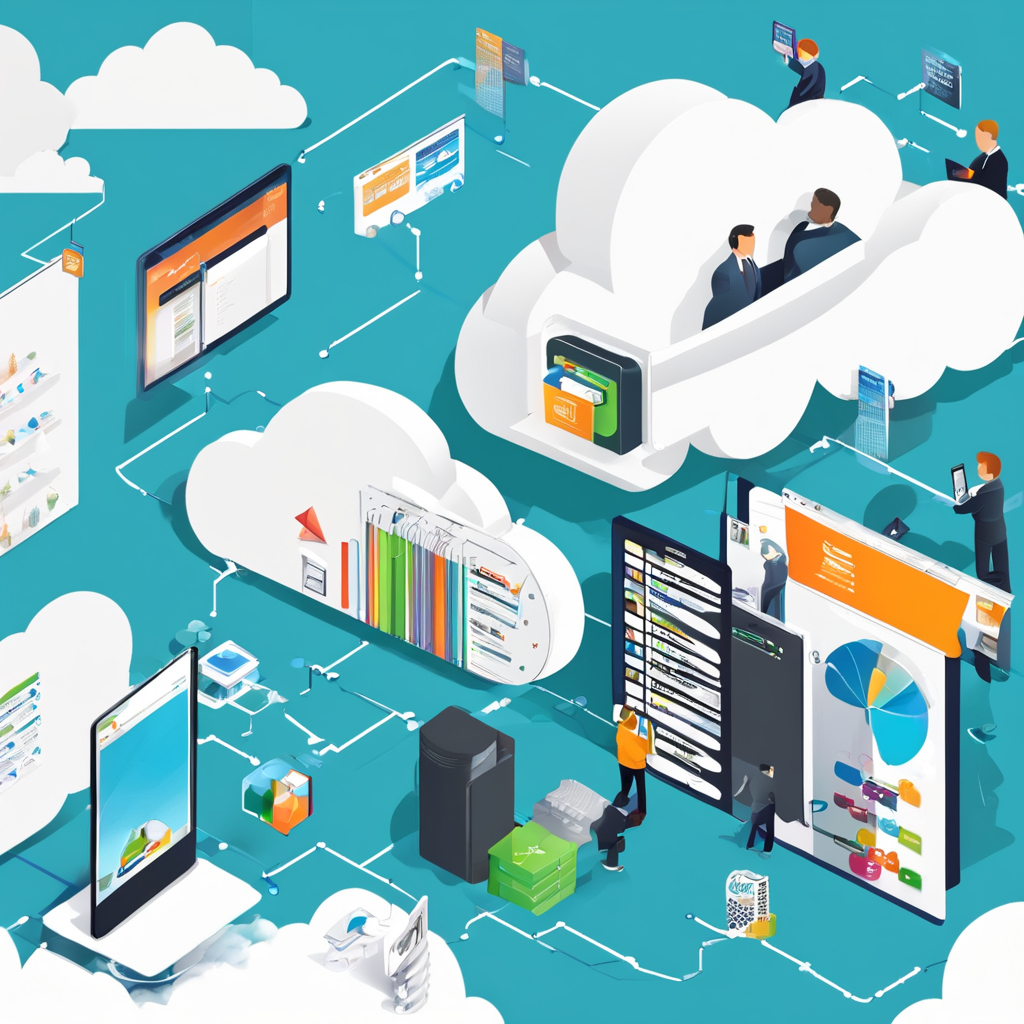
Cloud application development has revolutionized the way software is built, deployed, and managed. In today’s digital age, businesses are increasingly turning to cloud-based solutions to drive innovation, agility, and scalability. Cloud application development refers to the process of creating software applications that are hosted and run on cloud infrastructure, rather than on local servers or personal computers. This approach offers numerous benefits, including cost savings, flexibility, and enhanced security.
One of the key advantages of cloud application development is its scalability. With cloud-based solutions, businesses can easily scale their applications up or down based on demand, without the need for additional hardware or infrastructure. This flexibility allows companies to quickly adapt to changing market conditions and customer needs, giving them a competitive edge in today’s fast-paced business environment.
Another benefit of cloud application development is its cost-effectiveness. By leveraging cloud services, businesses can reduce their upfront investment in hardware and software, as well as ongoing maintenance and support costs. This pay-as-you-go model allows companies to pay only for the resources they use, leading to significant cost savings over time.
In addition to scalability and cost savings, cloud application development also offers improved security and reliability. Cloud service providers invest heavily in security measures to protect their customers’ data and applications from cyber threats and unauthorized access. By hosting applications in the cloud, businesses can benefit from enterprise-grade security features and regular updates to ensure their data remains safe and secure.
Furthermore, cloud application development enables greater collaboration and productivity among development teams. With cloud-based tools and platforms, developers can easily share code, collaborate on projects in real-time, and access resources from anywhere in the world. This level of flexibility and accessibility fosters innovation and creativity, leading to faster time-to-market for new applications and features.
Moreover, cloud application development empowers businesses to leverage cutting-edge technologies, such as artificial intelligence, machine learning, and Internet of Things (IoT). By harnessing the power of cloud computing, companies can build intelligent applications that deliver personalized experiences, automate routine tasks, and unlock new revenue streams. This innovation-driven approach positions businesses for long-term success and growth in a rapidly evolving digital landscape.
Additionally, cloud application development streamlines the deployment and management of software applications. With cloud-based deployment models, businesses can easily deploy updates, patches, and new features to their applications with minimal downtime and disruption to end-users. This agility and efficiency allow companies to stay ahead of the competition and meet customer expectations for seamless user experiences.
Furthermore, cloud application development fosters a culture of continuous improvement and experimentation within organizations. By adopting agile development methodologies and DevOps practices, businesses can iterate quickly, gather feedback from users, and make data-driven decisions to enhance their applications and services. This iterative approach enables companies to stay responsive to market trends and customer preferences, driving innovation and growth.
Moreover, cloud application development promotes sustainability and environmental responsibility. By moving towards cloud-based solutions, businesses can reduce their carbon footprint and energy consumption associated with traditional on-premise data centers. Cloud providers optimize their infrastructure for energy efficiency and resource usage, helping businesses minimize their impact on the environment while maximizing performance and reliability.
In conclusion, cloud application development is reshaping the software development landscape, offering businesses a wealth of benefits, including scalability, cost savings, security, collaboration, innovation, agility, efficiency, continuous improvement, and sustainability. As companies continue to embrace cloud technologies and platforms, they will unlock new opportunities for growth, differentiation, and success in an increasingly digital world.